Paitishahem
The third Gahanbar, with a name associated with gathering grain.
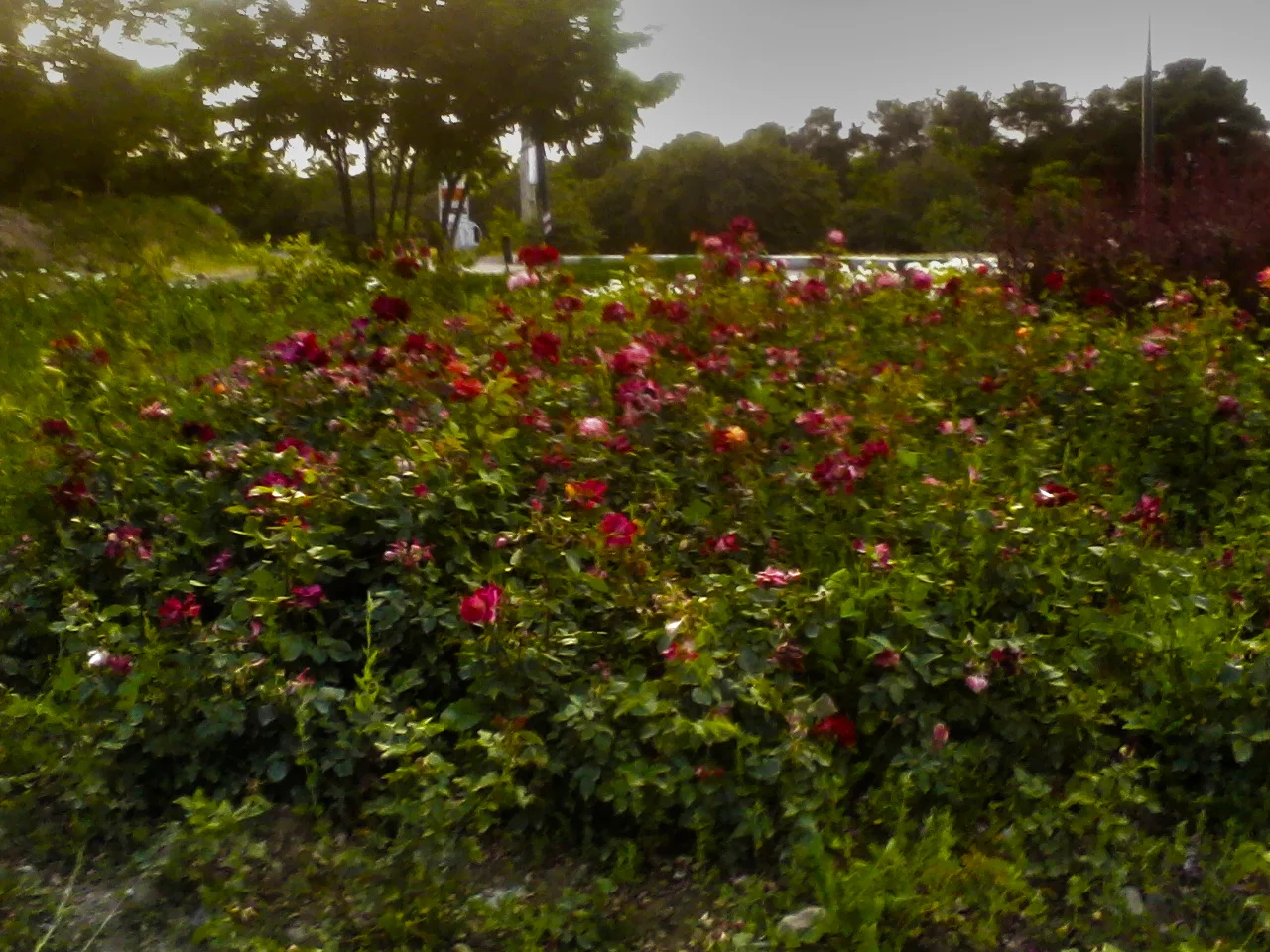

These cultural and symbolic images do not depict Dorehami members or events.
Image and licence
File:Rose Garden in Persia.jpg — Whs16rs — CC BY-SA 4.0 · WebP / crop

File:Iranian Rose Chehel Sotoun Palace (Esfahan, Iran) (28374414951).jpg — Sasha India from Irpin, Ukraine — CC BY 2.0 · WebP / crop

Meaning and cultural context
Paitishahem is the third Gahanbar, with a name associated with gathering grain.
Traditions and symbols
Distinguish calendar names, historical accounts and present-day practice. A local custom does not represent all Iranians.
Date and calendar
Seasonal observance; dates depend on the calendar tradition.
A practical plan for our group
Our suggestion: a short sourced introduction, optional family memories and an art activity for children. This is a present-day idea, not a claim about an ancient custom.
Explore where bread comes from. Arrange picture cards from grain to flour to bread, and discuss the work behind food. Tasting is optional, with ingredients identified in advance.
These are contemporary Dorehami suggestions, not confirmed events or claims of ancient practices.
For children and the next generation
Many people work before bread reaches the table.
For younger children, one image and one question are enough. Teenagers can check a word or claim against a source. When explaining in another language, simplify the wording without hiding uncertainty.
Common questions
Is this an instruction for conducting a religious Gahanbar?
No. It is a cultural learning activity, not a substitute for a religious community’s rites.
How can I ask about participating?
Use this page’s WhatsApp link and keep the topic in your message. We get acquainted first; places and conditions are confirmed separately. Sending a message is not membership or a booking.
Sources and further reading
Content reviewed: 19 October 2026