
Sadeh
Sadeh is a winter celebration centered on light, fire and gathering. It takes different forms in Iran and Tajikistan and is also connected with preparing for the agricultural season.
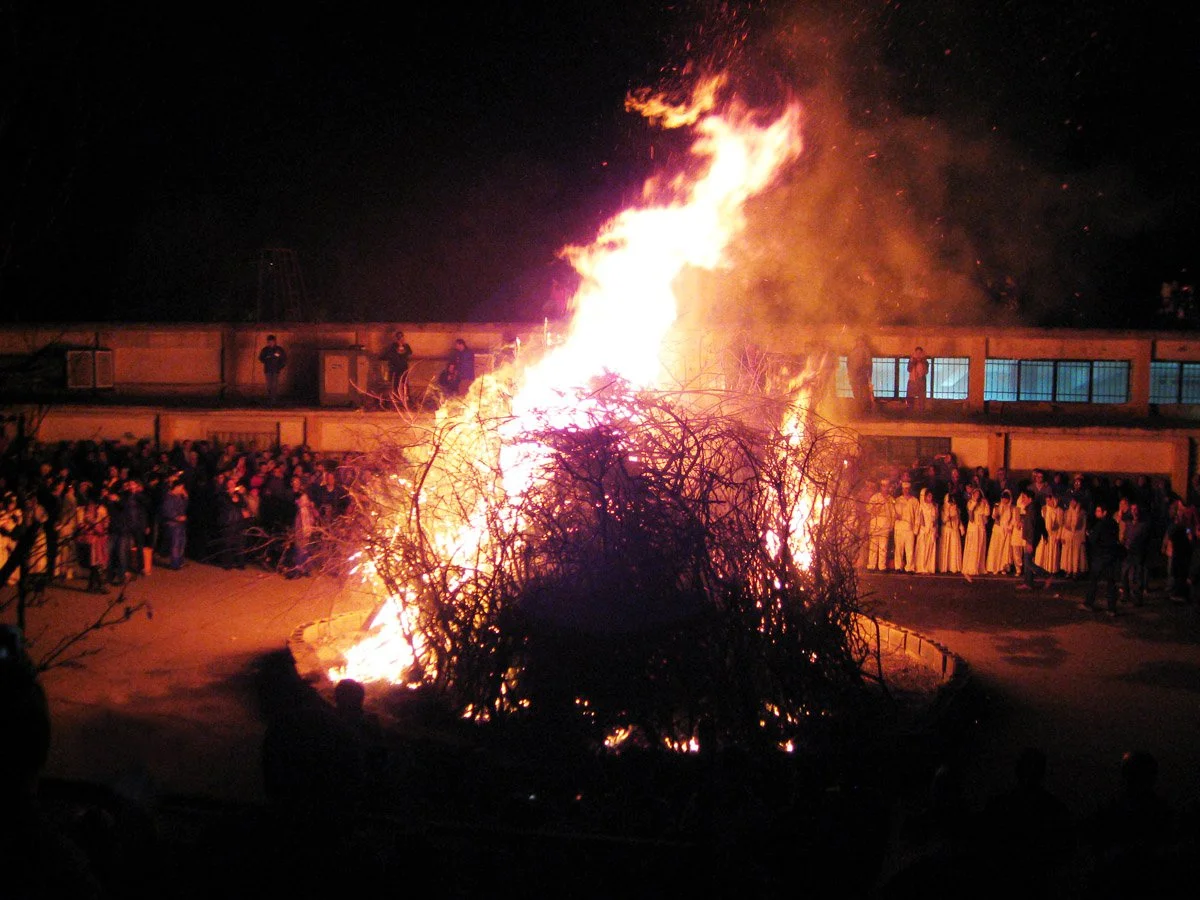
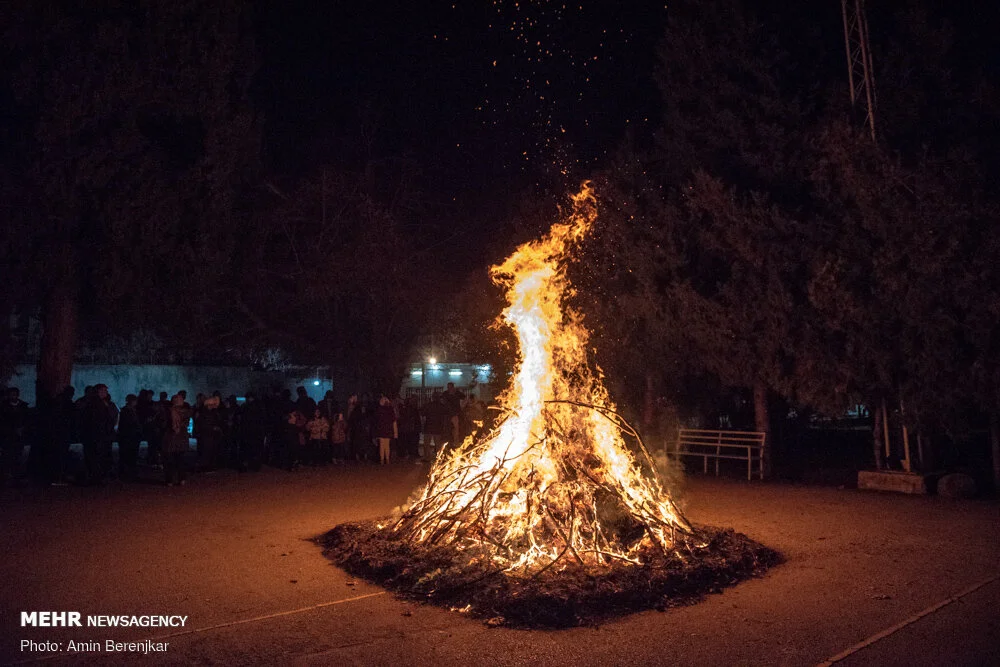
These cultural and symbolic images do not depict Dorehami members or events.
Image and licence
File:Sadeh.jpg — Farzad j — Public domain · WebP / crop

File:Sadeh Festival in Shiraz 2020-01-30 19.jpg — Amin Berenjkar — CC BY 4.0 · WebP / crop

Meaning and cultural context
The story of Hushang discovering fire belongs to Sadeh’s literary tradition. It is not an archaeological report of an invention. Literature and historical research can be read together without treating them as the same kind of evidence.
Traditions and symbols
Storytelling, shared food and gathering are features; mythical origin stories should be distinguished from documented history.
Date and calendar
In common Iranian usage: 10 Bahman. The group’s gathering is arranged separately.
A practical plan for our group
Host a winter storytelling evening with warm lighting, shared food and sun-themed crafts for children.
We suggest a winter evening with warm lighting, a short story and shared food. Children can make paper suns while adults share childhood winter memories. This cultural activity does not require an open fire.
These are contemporary Dorehami suggestions, not confirmed events or claims of ancient practices.
For children and the next generation
In winter, we come together around light and friendship.
For younger children, one image and one question are enough. Teenagers can check a word or claim against a source. When explaining in another language, simplify the wording without hiding uncertainty.
Common questions
Are Sadeh and Chaharshanbe Suri the same celebration?
No. Their timing and contexts differ. A shared association with fire does not make them one observance.
How can I ask about participating?
Use this page’s WhatsApp link and keep the topic in your message. We get acquainted first; places and conditions are confirmed separately. Sending a message is not membership or a booking.
Sources and further reading
Content reviewed: 19 October 2026