
Sizdah Bedar
Sizdah Bedar is associated with spending the day outdoors near the end of the Nowruz holiday. Claims that a particular king established it require separate evidence.
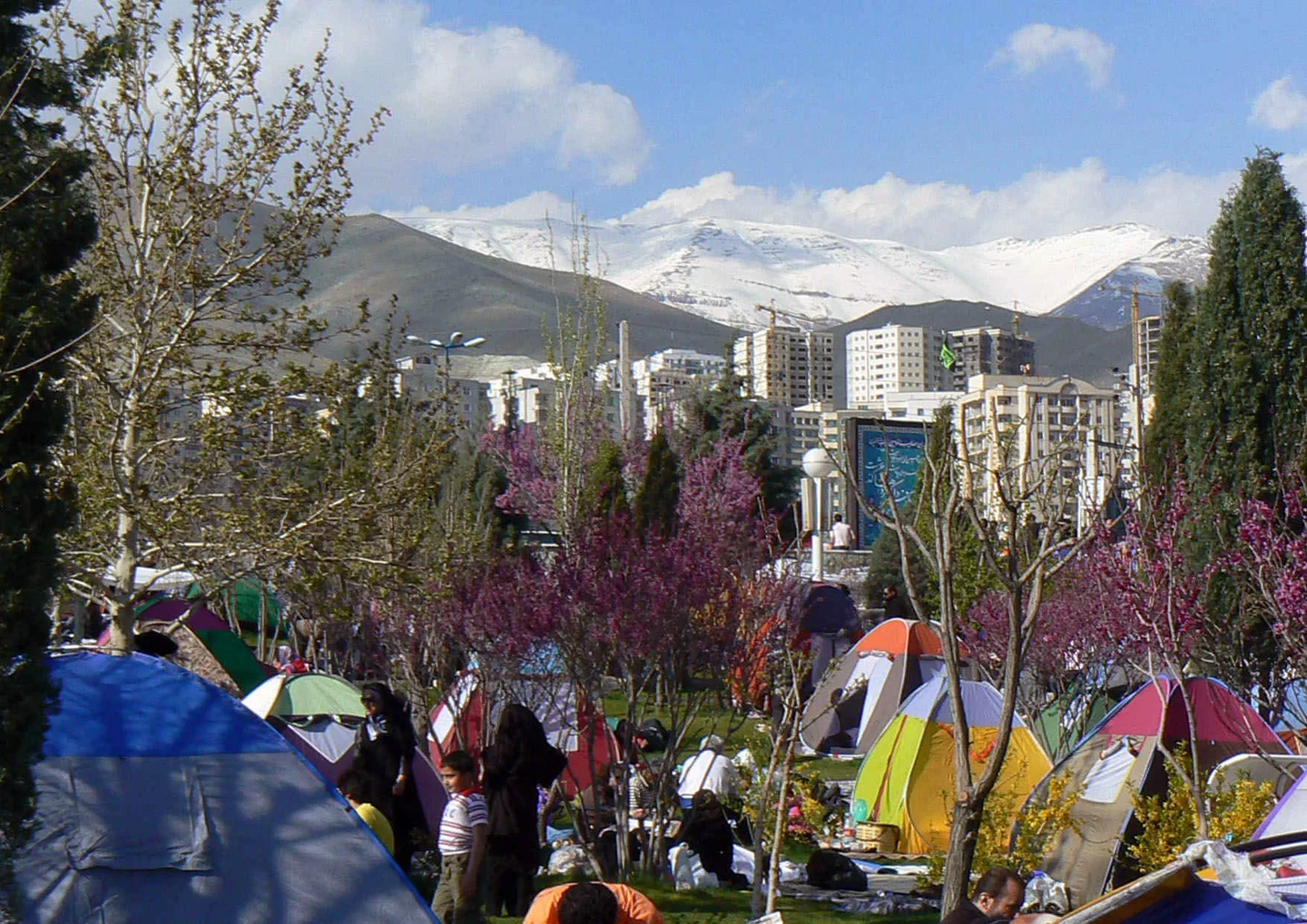
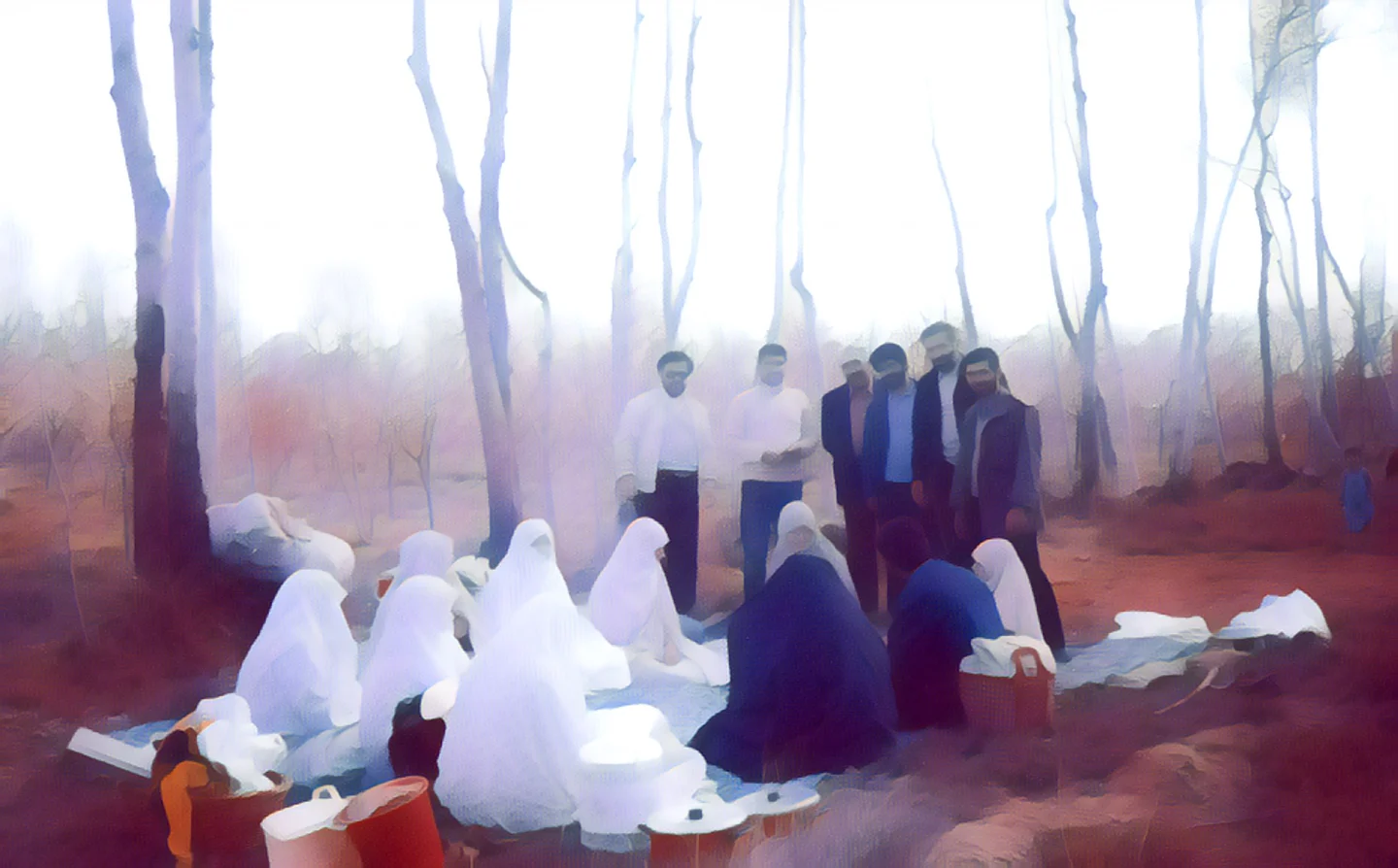
These cultural and symbolic images do not depict Dorehami members or events.
Image and licence
File:Sizdah bedar in parvaz park tehran.jpg — سعید — Public domain · WebP / crop

File:Sizdah Bedar Nostalgia - Flickr - Casey Hugelfink.jpg — Casey Hugelfink from Munich — CC BY-SA 2.0 · WebP / crop

Meaning and cultural context
Sizdah Bedar can be explored through the social life of Nowruz: leaving the home and spending time outdoors together. Beliefs about thirteen vary. A popular explanation is not automatically a documented origin.
Traditions and symbols
Family picnics, games and spring sprouts are familiar elements; local customs vary.
Date and calendar
13 Farvardin; the Gregorian date must be calculated for the chosen year.
A practical plan for our group
Plan a low-waste picnic, children’s games and nature photography. Leave neither sprouts nor rubbish in waterways or the landscape.
Check accessibility, resting places and a bad-weather alternative in advance. Families bring personal essentials and one person coordinates. Games remain optional. Leave the site cleaner than the group found it.
These are contemporary Dorehami suggestions, not confirmed events or claims of ancient practices.
For children and the next generation
A day for nature, play and caring for the place we visit.
For younger children, one image and one question are enough. Teenagers can check a word or claim against a source. When explaining in another language, simplify the wording without hiding uncertainty.
Common questions
Must sprouts be thrown into a river?
No. Our proposed gathering leaves neither sprouts nor rubbish outdoors. Use the site’s appropriate disposal facilities.
How can I ask about participating?
Use this page’s WhatsApp link and keep the topic in your message. We get acquainted first; places and conditions are confirmed separately. Sending a message is not membership or a booking.
Sources and further reading
Content reviewed: 19 October 2026