
The Zand dynasty
The Zands emerged in the power struggles after Nader Shah. Karim Khan and Shiraz are central; the title vakil needs interpretation in its own historical context.
Middle to late eighteenth century
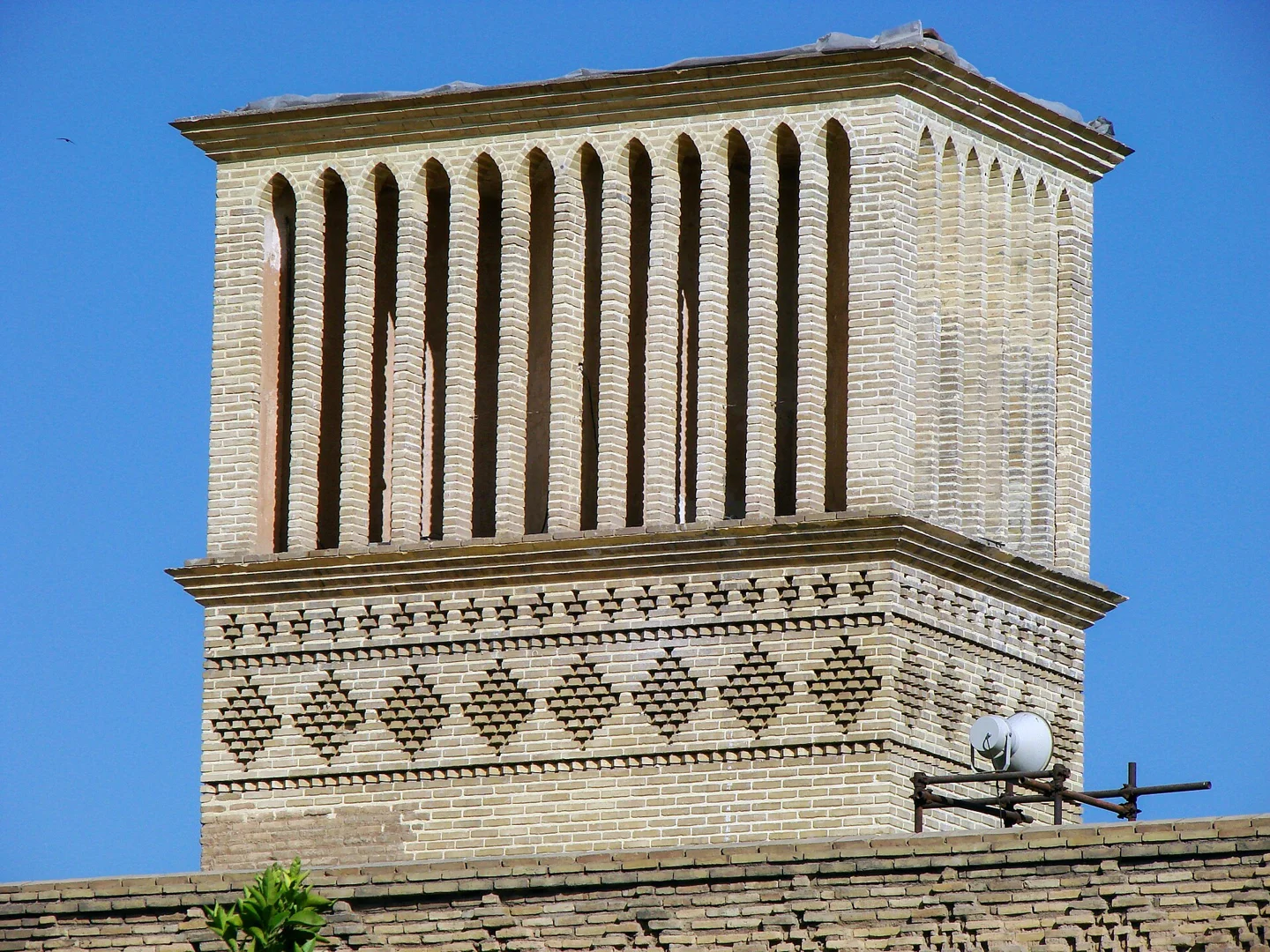
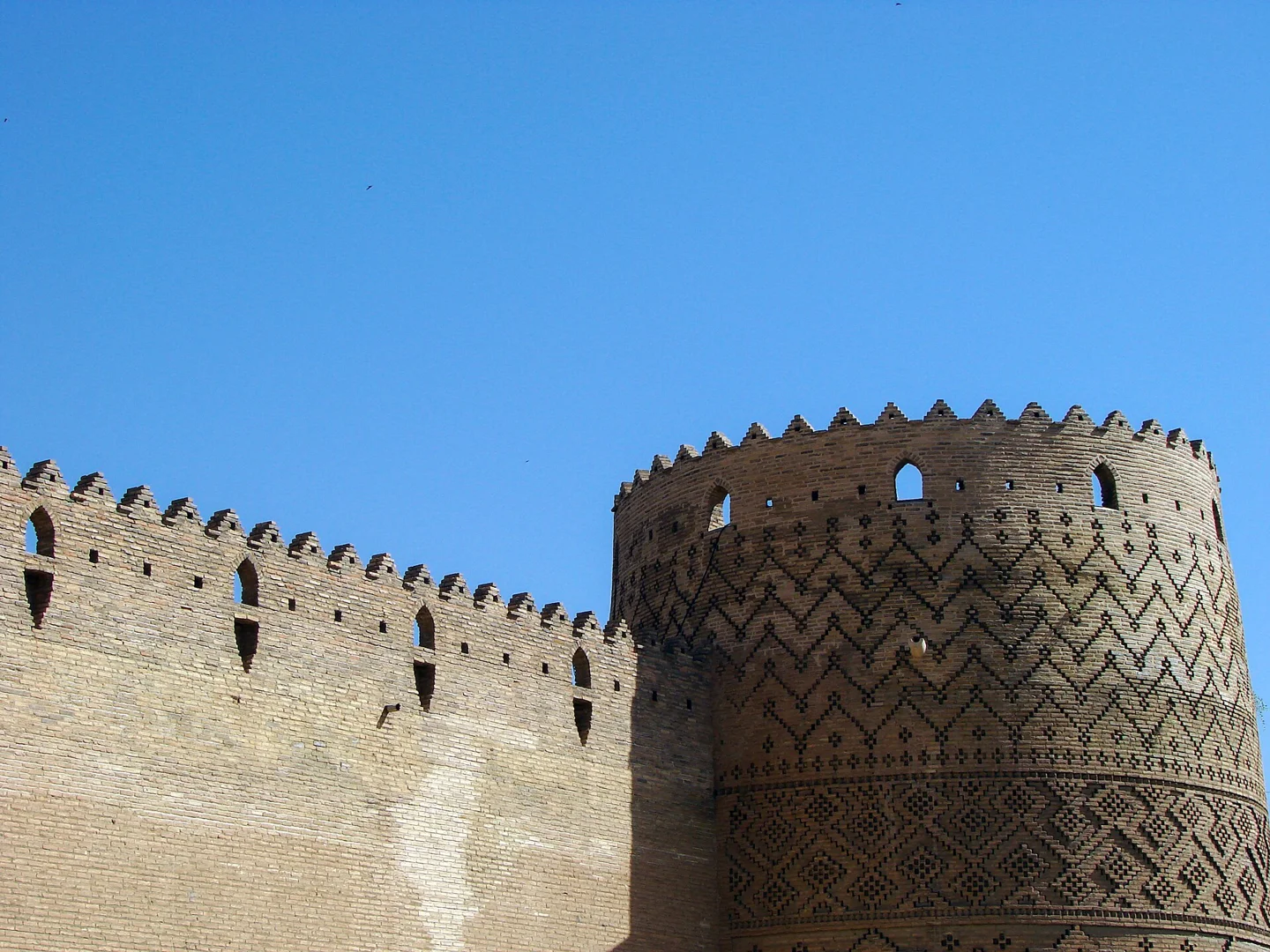
These cultural and symbolic images do not depict Dorehami members or events.
Image and licence
File:Arg of Karim Khan (8).jpg — Mostafameraji — CC BY-SA 4.0 · WebP / crop

File:Arg of Karim Khan (15).jpg — Mostafameraji — CC BY-SA 4.0 · WebP / crop

From military alliance to dynasty
Iranica gives 1751–1794 as the usual span of Zand rule and 1751–1779 for Karim Khan’s reign. After Nader Shah’s death, Karim Khan and his allies placed a Safavid prince on the throne, but that coalition did not last. Zand authority never covered all Iran equally; Khorasan remained outside their effective realm. These dates provide a frame, not evidence of forty-three uniformly stable years.
Source: Encyclopaedia Iranica — Zand Dynasty, Encyclopaedia Iranica — Karim Khan Zand
Origins, movement and cautious labels
The Zands were a pastoral, mobile group in western Iran. Iranica describes them as a Lak branch of the Lurs while noting that origin accounts do not fully agree. Some were deported to Khorasan in 1732 and returned after Nader’s death in 1747. Present-day identity labels should not be projected directly onto eighteenth-century society: a dynastic name, tribal affiliation and political territory are different categories.
Source: Encyclopaedia Iranica — Zand Dynasty, Encyclopaedia Iranica — Karim Khan Zand
Why “vakil” rather than “shah”?
Karim Khan did not adopt the title shah and instead became known as vakil or vakil al-raʿaya. Iranica shows that vakil had a longer administrative and political history and, early in Zand rule, could also refer to acting for the Safavid king. The celebrated meaning “representative of the people” matters to his public image, but a title alone does not prove that every group in every region shared the same peaceful experience.
Source: Encyclopaedia Iranica — Zand Dynasty, Encyclopaedia Iranica — Wakil al-Raʿāyā
Shiraz and the Zand ensemble
Karim Khan ruled from Shiraz from 1765 until his death. A square, citadel, bazaar, mosque, bath, garden and service buildings formed part of the city’s redevelopment. UNESCO records the ensemble on Iran’s Tentative List, submitted on 5 February 2008. Tentative listing is not World Heritage inscription. The photographs on this page show parts of Karim Khan Citadel, not the complete ensemble and not the private life of Dorehami members.
Source: Encyclopaedia Iranica — Zand Dynasty, UNESCO Tentative Lists — The Zandiyeh Ensemble of Fars Province
Trade, agriculture and war at the same time
Iranica describes efforts to revive agriculture and trade and an agreement with the British East India Company. The same account includes military rivalries and the Basra campaign. The familiar phrase “Karim Khan’s peaceful era” must therefore be tested by place and scale: security in the capital, tax policy, Gulf commerce and frontier experience are not identical. Economic results should be treated as firm only when their source and scope are clear.
Source: Encyclopaedia Iranica — Zand Dynasty, Encyclopaedia Iranica — Karim Khan Zand
An image of rule, not an everyday photograph
The Met describes Zand royal imagery as more relaxed than Afsharid military presentation and points to the familiar image of Karim Khan smoking a water pipe. That contrast can prompt questions about how authority was presented, but a court painting is neither a neutral report nor a snapshot. Dress, posture and surrounding objects are artistic and commissioned choices, not necessarily evidence of daily life for everyone in Shiraz.
What does the 1789 instrument case tell us?
The Met instrument case is dated 1204 AH/1789, bears the name Muhammad Baqir and is made of painted, lacquered pasteboard or papier-mâché. It carries flowers, birds and a feast scene. Made ten years after Karim Khan’s death but still within the Zand period, it helps illuminate late Zand painting. The museum record alone does not establish its first owner, place of use or a definitive meaning for every motif.
After 1779 and a reading method
After Karim Khan’s death in 1779, succession struggles and conflict with the Qajars intensified; Zand rule ended in 1794. A useful reading exercise is a timeline with columns for source claim, evidence type and open question, clearly separating Karim Khan’s reign from later years. This page is a bounded introduction, not a complete biography of every ruler. The suggested exercise is not an announced Dorehami event and requests no family photographs or personal information.
Source: Encyclopaedia Iranica — Zand Dynasty, Encyclopaedia Iranica — Karim Khan Zand
How to explore this period
Read the sources with attention to author, date and evidence. Regional branches may have different time boundaries.
Connect government, succession, towns, architecture, trade, art and everyday life. A ruler does not represent the whole population.
Sources and review date
Sources checked on 20 October 2026.